Willa Schmitz · 15 October 2026
Assessing Moisture Absorption Rates in Engineered Stone Supports Used for Multi-Story Constructions
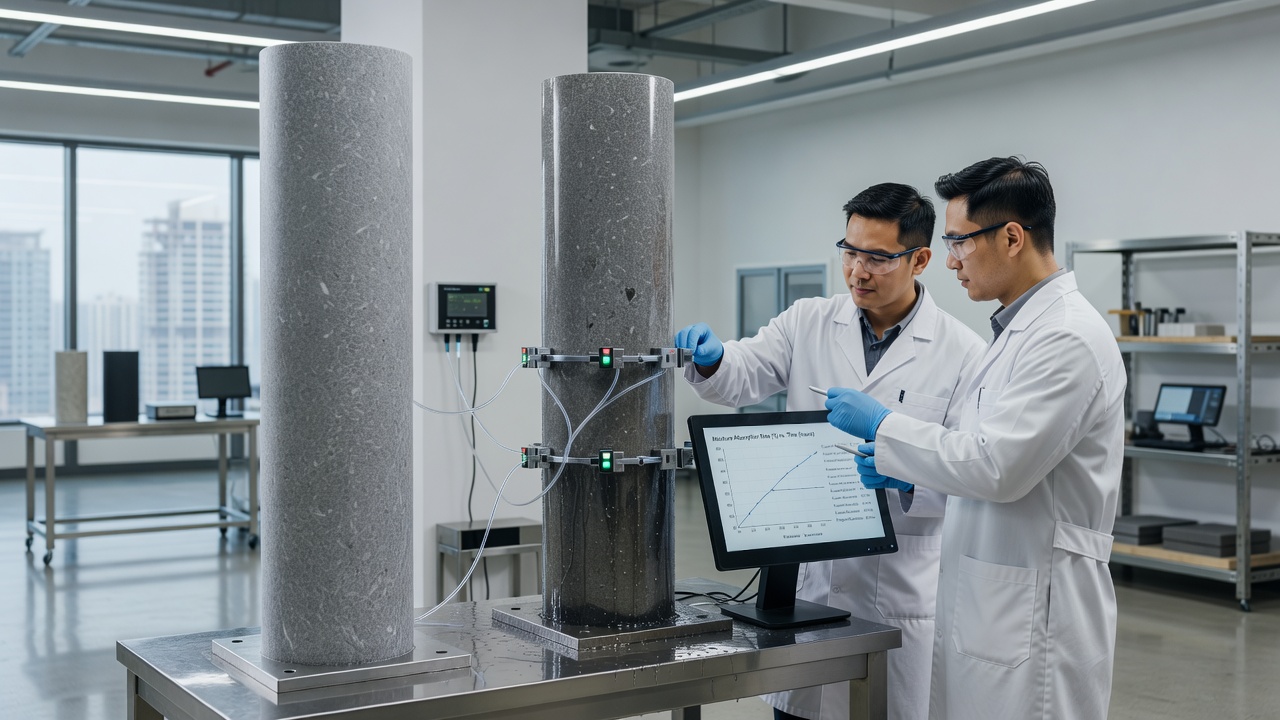
Engineered stone supports play a central role in multi-story constructions where load-bearing elements must maintain structural integrity under varying environmental conditions, and assessing moisture absorption rates forms a key part of material evaluation protocols used by engineers and testing facilities worldwide. These composite materials combine natural stone aggregates with binding resins, which creates specific porosity characteristics that influence how water interacts with the support structure over time. Data from standardized testing procedures indicate that absorption rates vary based on aggregate composition, resin type, and curing processes employed during manufacturing.
Core Testing Methodologies
Standardized approaches such as those outlined by ASTM International guide laboratories in measuring water uptake through immersion and capillary rise techniques, where samples undergo controlled exposure followed by precise weight measurements at timed intervals. Researchers apply these methods to quantify both initial absorption and long-term saturation levels, which helps predict performance in humid climates or during construction phases when materials face temporary weather exposure. Equipment records mass changes to 0.01 gram accuracy, while environmental chambers maintain consistent temperature and humidity to isolate variables effectively.
Additional protocols from the Canadian Standards Association incorporate freeze-thaw cycling alongside absorption tests, revealing how moisture penetration affects dimensional stability in regions with seasonal temperature swings. Engineers integrate these findings into design calculations for multi-story frameworks, adjusting safety factors when absorption exceeds threshold values established through repeated trials across multiple batches.
Influencing Factors in Multi-Story Applications
Material density and surface treatments directly impact absorption behavior, with denser formulations demonstrating lower uptake rates according to comparative studies conducted at various research institutions. In taller structures, cumulative effects from stacked loads mean that even minor moisture-related expansion can influence alignment and stress distribution across support beams and columns. Construction schedules in October 2026 will align with updated guidelines from several international bodies that emphasize pre-installation moisture verification to reduce risks during wet seasons.
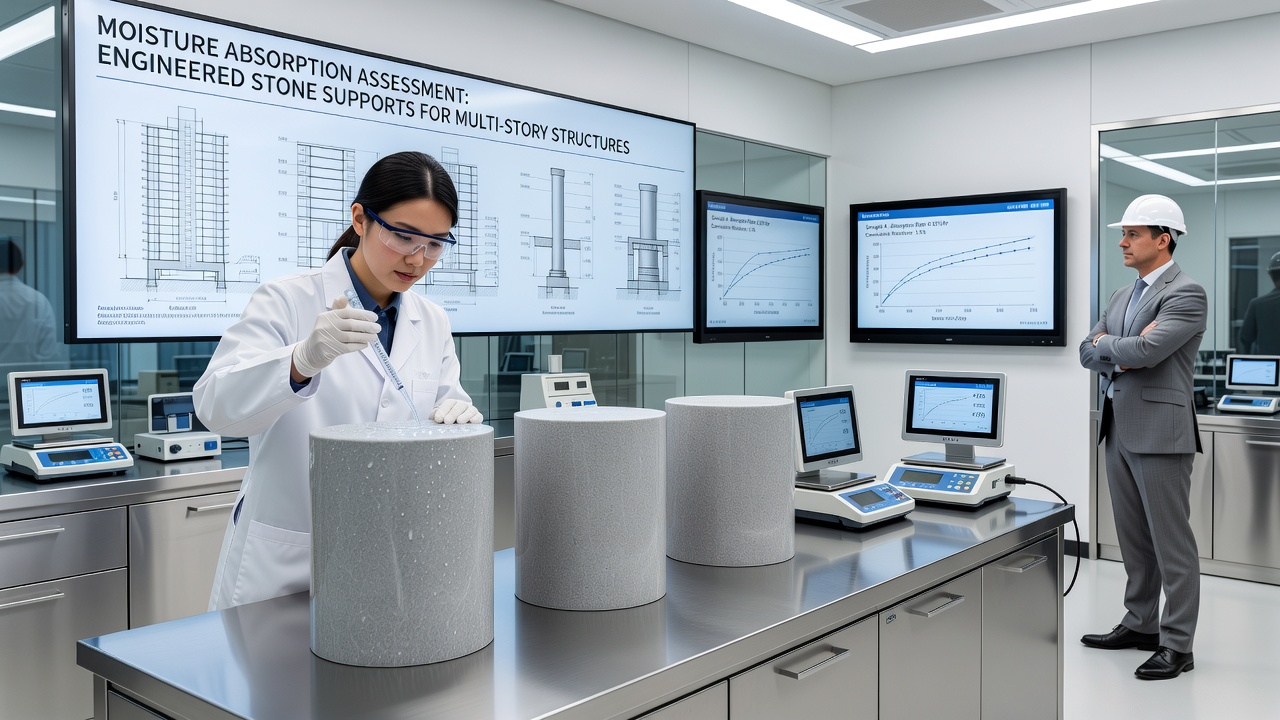
Environmental exposure during transport and on-site storage further modifies absorption profiles, prompting contractors to implement protective wrapping and elevated staging practices. Field data collected from projects in coastal and inland zones show measurable differences in performance tied to local humidity averages, which informs regional building code adaptations. Those who monitor installed supports over multiple years report that sealed surfaces maintain lower internal moisture content compared to untreated counterparts, supporting extended service life in demanding vertical applications.
Integration with Regulatory Frameworks
European Committee for Standardization documents provide benchmarks for absorption limits in load-bearing stone composites, which member states incorporate into national approval processes for high-rise developments. Australian building authorities reference similar performance criteria when evaluating engineered products for use in seismic and cyclonic zones, where moisture can compound other stress factors. Compliance verification often involves third-party testing that documents absorption percentages before materials receive certification for multi-story use.
Industry reports highlight ongoing refinements to testing equipment that allow real-time monitoring during absorption cycles, reducing variability between laboratory results and actual site conditions. Manufacturers adjust formulations in response to these findings, incorporating additives that reduce pore connectivity while preserving the aesthetic and mechanical properties required for architectural applications.
Conclusion
Comprehensive assessment of moisture absorption in engineered stone supports delivers essential data for safe application in multi-story constructions, guiding material selection, installation practices, and long-term maintenance planning. Continued refinement of testing standards alongside field monitoring ensures that performance predictions remain aligned with real-world demands across diverse geographic and climatic settings.